Our Chapel
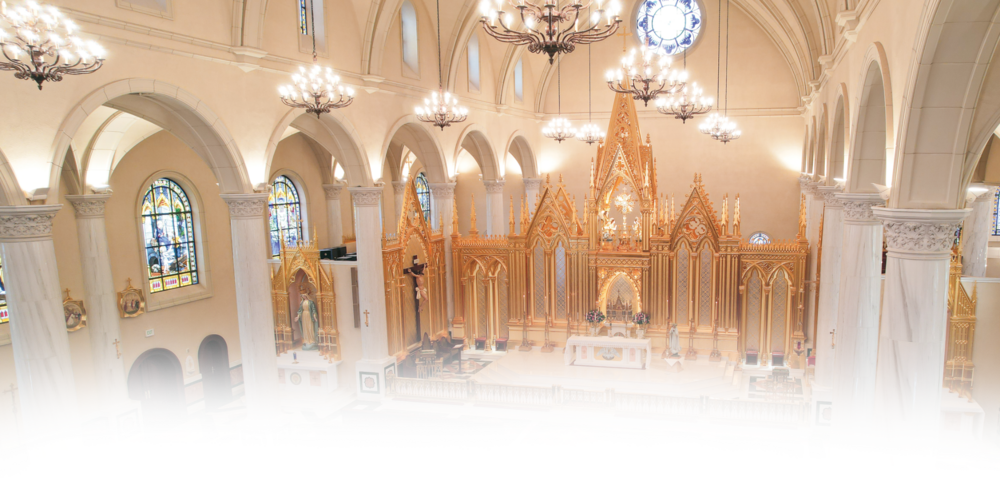
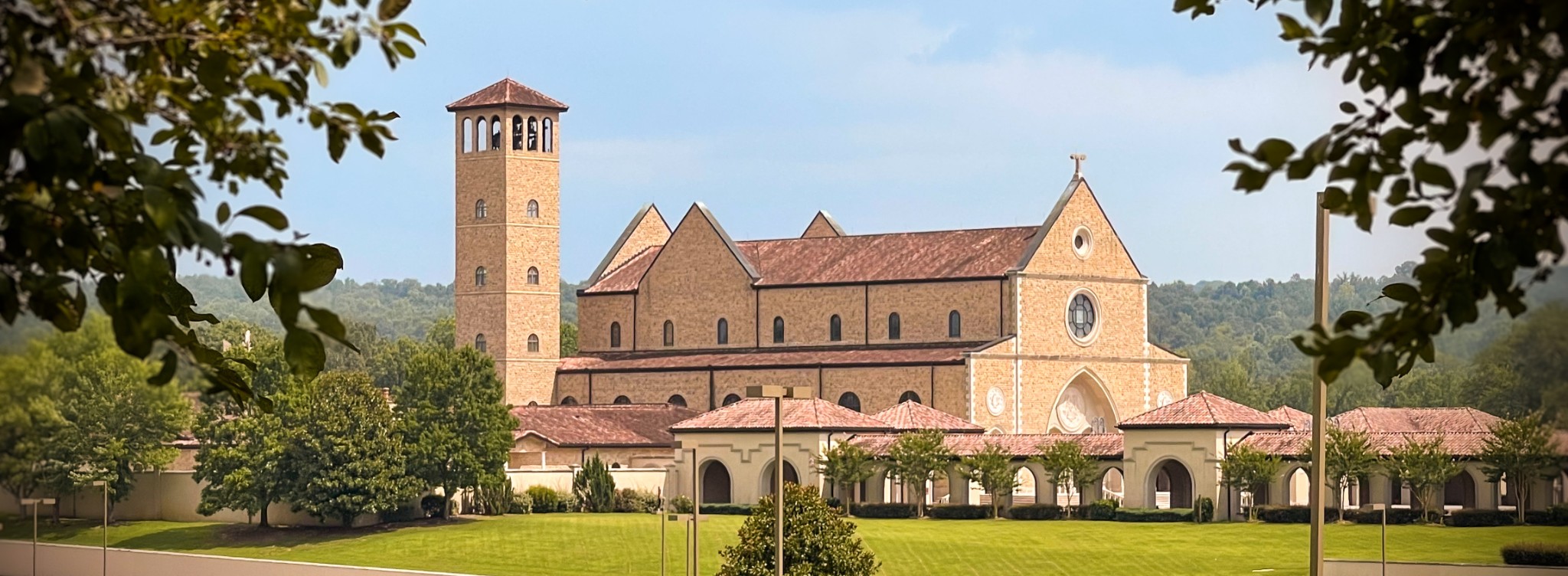
The greatest treasure on this earth and the answer to the longing of every human heart is the Lord Jesus, truly present in the Holy Eucharist. The Shrine of the Most Blessed Sacrament exists to honor Christ in the Eucharist and to be a place where all people can encounter His Redeeming Love. The Main Church of the Shrine houses the second largest monstrance in the world, lifting high Our Humble Lord who is adored here day and night. Twice daily Mass and Confessions are offered by the Franciscan Missionaries of the Eternal Word, enabling all Catholics to come to deeper communion and peace with Our Lord. Hidden behind the reredos, the PCPA Nuns of Our Lady of the Angels Monastery keep a continuous vigil of adoration, punctuating the hours of the day with the chanting of the Divine Office. The expanse of the Shrine’s grounds encompasses various devotional areas where visitors can pray, rest and soak in the silent peace of Christ’s presence.
How It All Began
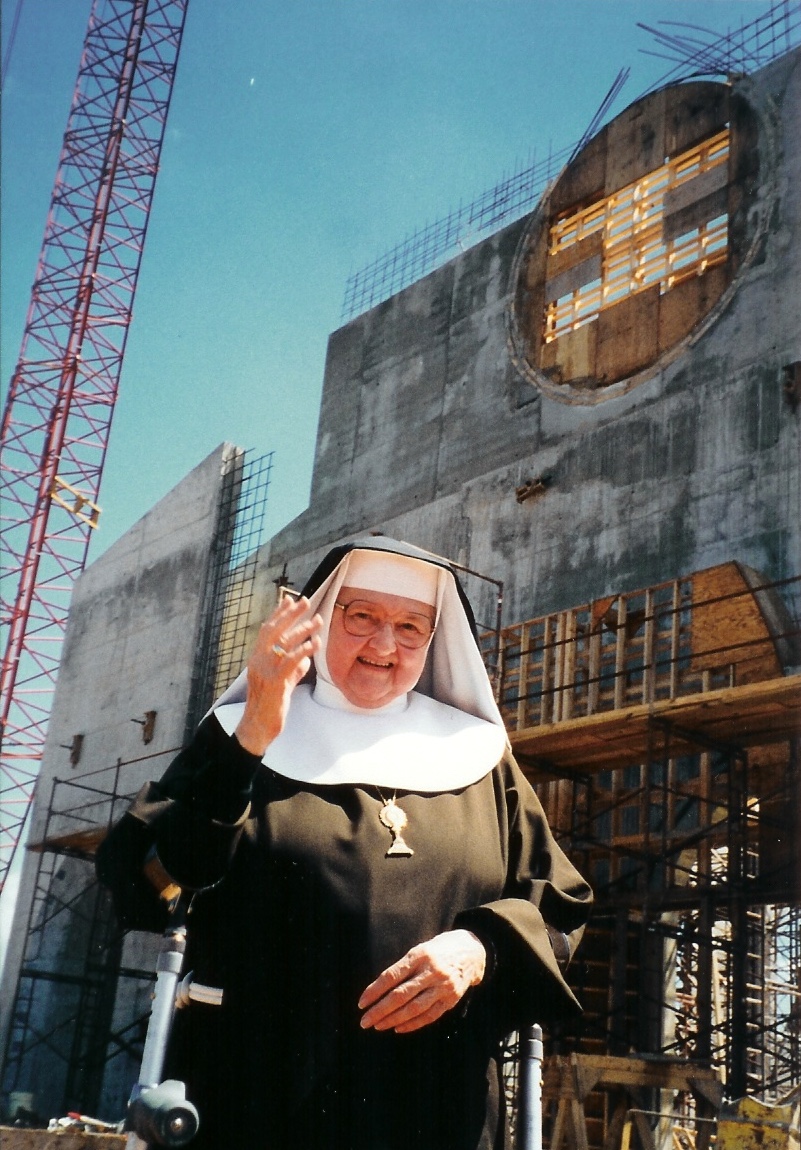
When pilgrims visit the Shrine of the Most Blessed Sacrament, many ask: "How did it all begin?" The answer to this question comes as a surprise to many... the Lord used a business trip to bring about this marvel of His Divine Providence. In 1995, Mother M. Angelica was traveling in South America on business for EWTN (Eternal Word Television Network). A Spanish television network was in the works for Latin America, where so many Catholics were losing their faith. So Mother traveled with two of the nuns to ask for the support of the Bishops and Nuncios. Colombia was among the countries that Mother visited on this trip. In Bogotá, a Salesian priest - Father Juan Pablo Rodriguez - brought Mother and the nuns to the Sanctuary of the Divine Infant Jesus to attend Mass. After Mass, Father Juan Pablo took them into a small Shrine which housed the miraculous statue of the Child Jesus. Mother Angelica stood praying at the side of the statue when suddenly the miraculous image came alive and turned towards her. Then the Child Jesus spoke with the voice of a young boy: "Build Me a Temple and I will help those who help you." Thus began a great adventure that would eventually result in the Shrine of the Most Blessed Sacrament, a Temple dedicated to the Divine Child Jesus, a place of refuge for all.
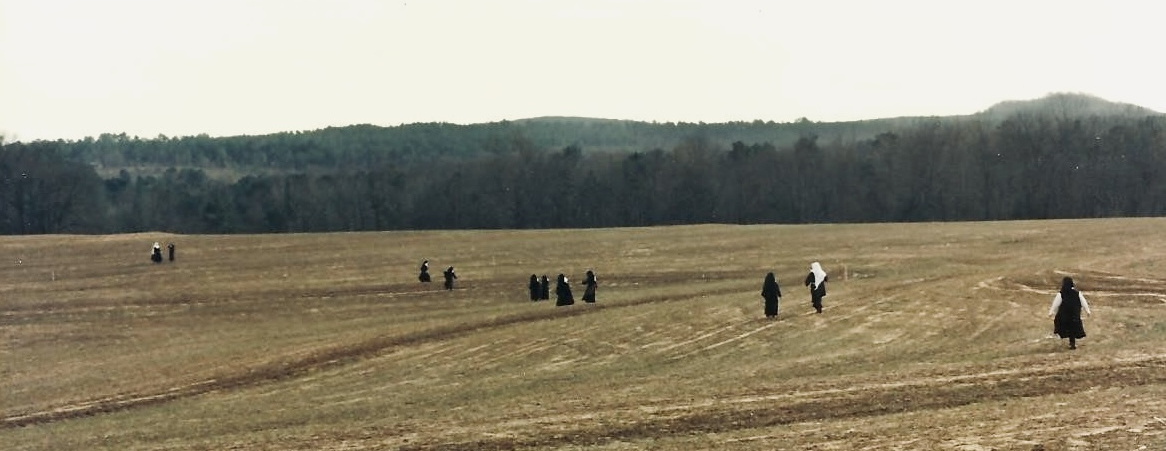
After coming home from the trip, Mother Angelica shared this story with the nuns. At once, they began to look for land. After several months of searching, they came to Hanceville, Alabama. The property was an isolated piece of farmland almost completely surrounded by a river. It had previously been used to farm soybeans. From the very first moment that she set foot on the land, Mother Angelica says that she "felt the Presence of God very strongly."
From the very beginning of this adventure, the Providence of God was clearly evident. The nuns had no money to build. They never tried to raise funds for the cause, but rather trusted in the Divine Providence of God. EWTN had no participation whatsoever in paying for any part of the Temple. It was totally the project of Our Lady of the Angels Monastery. The Lord wished to manifest His Loving Providence yet again by inspiring five families to financially assist with the building of the Shrine. Each family wished their donations to remain anonymous. The Child Jesus kept His promise to "help those who help you."
Most of the construction took place during the three years of preparation for the Great Jubilee of the Year 2000. In 1997 - the Year dedicated to Jesus - the monstrance was created. In 1998 - the Year dedicated to the Holy Spirit - the Rose Window of the Holy Spirit was created. And finally, in 1999 - the Year dedicated to the Eternal Father - the Rose Window of God the Father was completed. This holy place is a miracle of God's Divine Providence.
Details About The Shrine
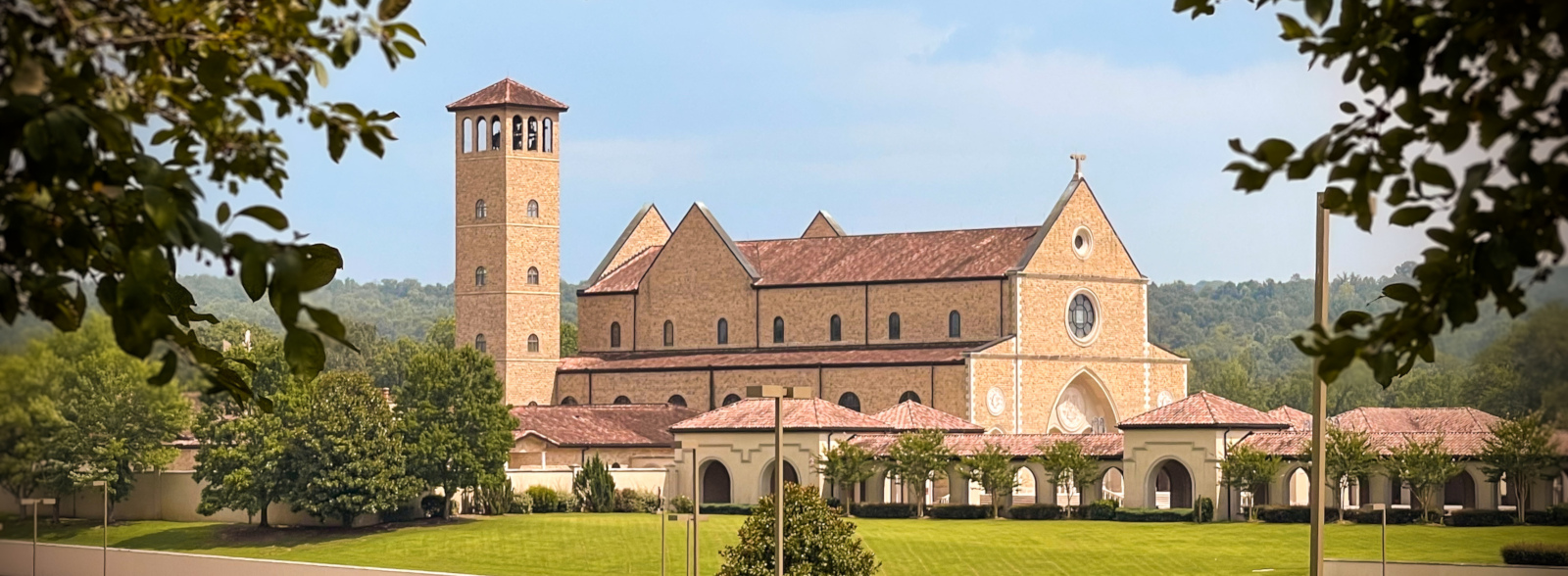
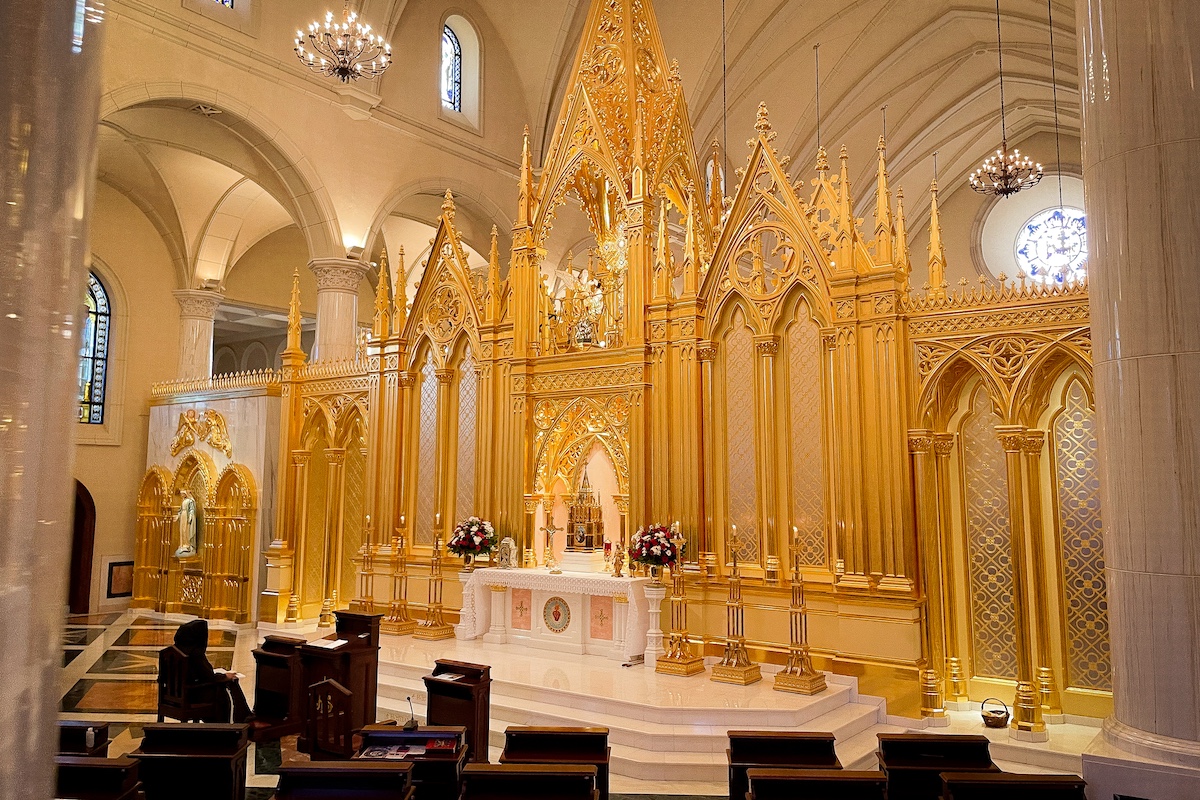
From the moment one passes through the Shrine Gate, the traditional artwork throughout the Shrine of the Most Blessed Sacrament is intended to inspire devotion in the hearts of all who come here to pray. The Romanesque-Gothic architecture of the Shrine and Monastery was inspired by the great Franciscan churches and monasteries of the thirteenth century.
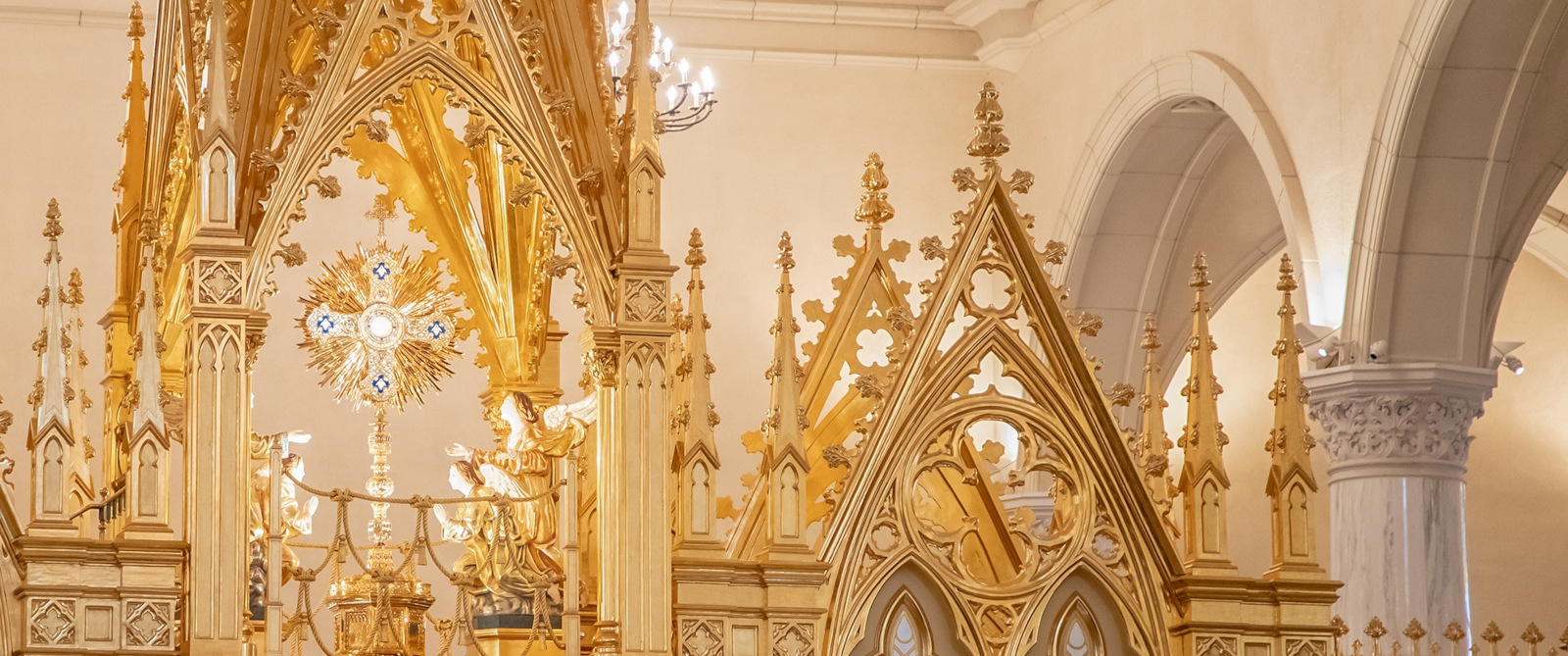
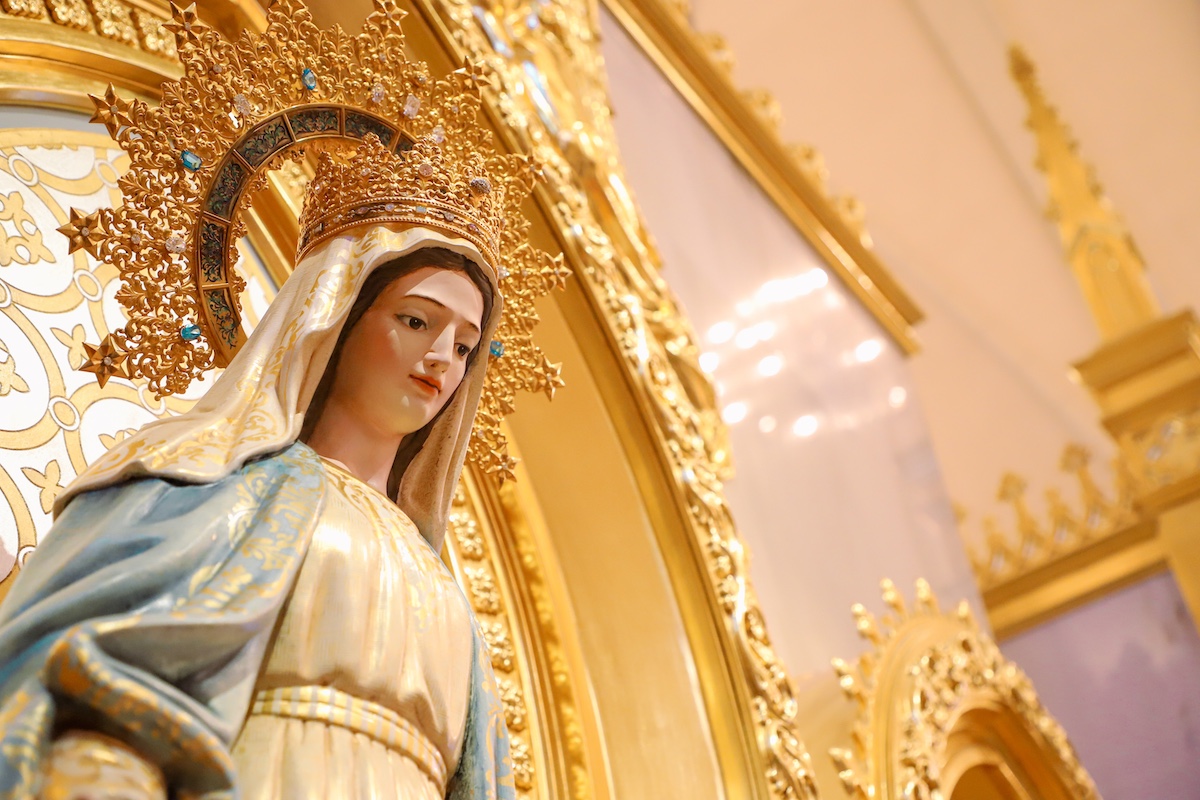
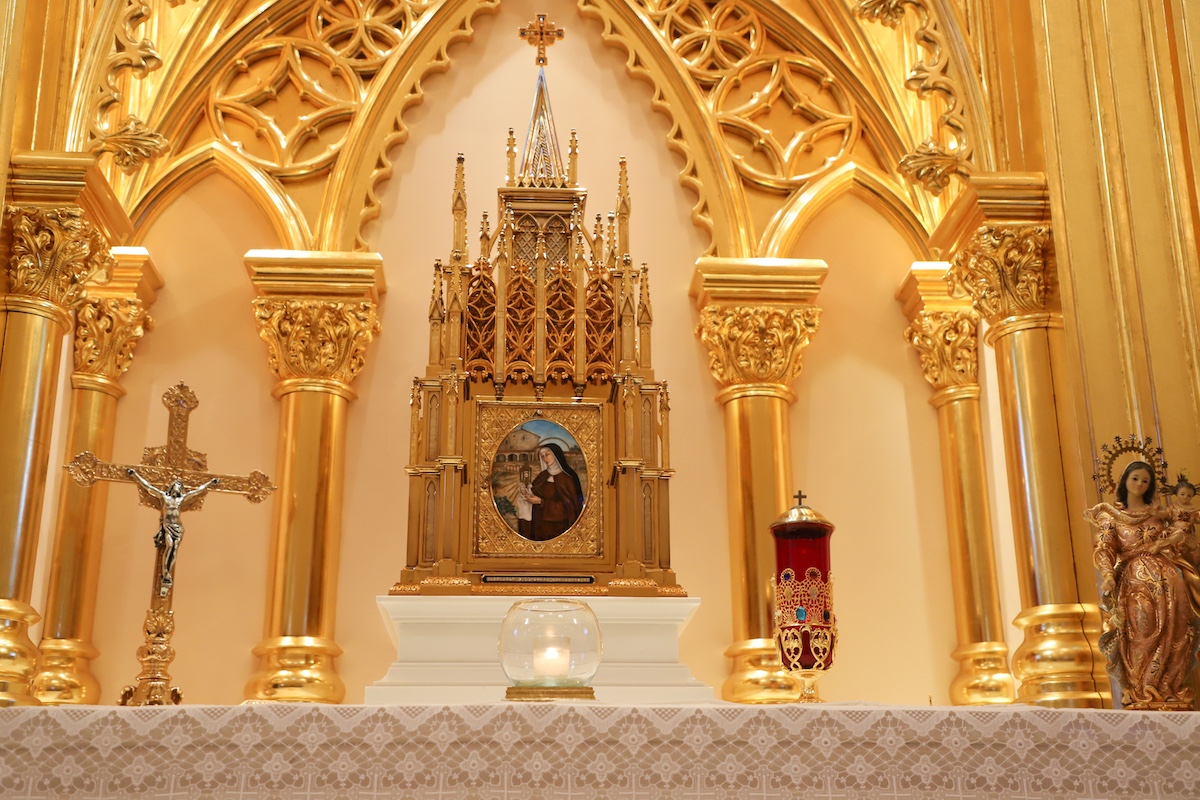
Construction was done by Brice Building Company, using modern techniques and materials to reproduce the distinctive architectural features of the famous Franciscan edifices. All appointments in the Shrine have been custom-designed and crafted by expert artisans from various countries. The Sanctuary, Monstrance, Tabernacle, Sacred Vessels, Vestments, Reredos, Altar Rail, Crucifix, Vestry, Sacristy, Lecterns, Ambos, Confessionals, Vestibule, Stations of the Cross, statues of the El Divino Niño and Our Lady of Grace at the Side Altars, bronze Great Doors and minor doors, nuns' stalls, pews, and Lower Church appointments were designed, constructed, and finished by Talleres de Arte Granda (TAG) in Madrid, Spain. TAG made all the appointments in Madrid, shipped them here, and provided the expertise and labor of installing them.
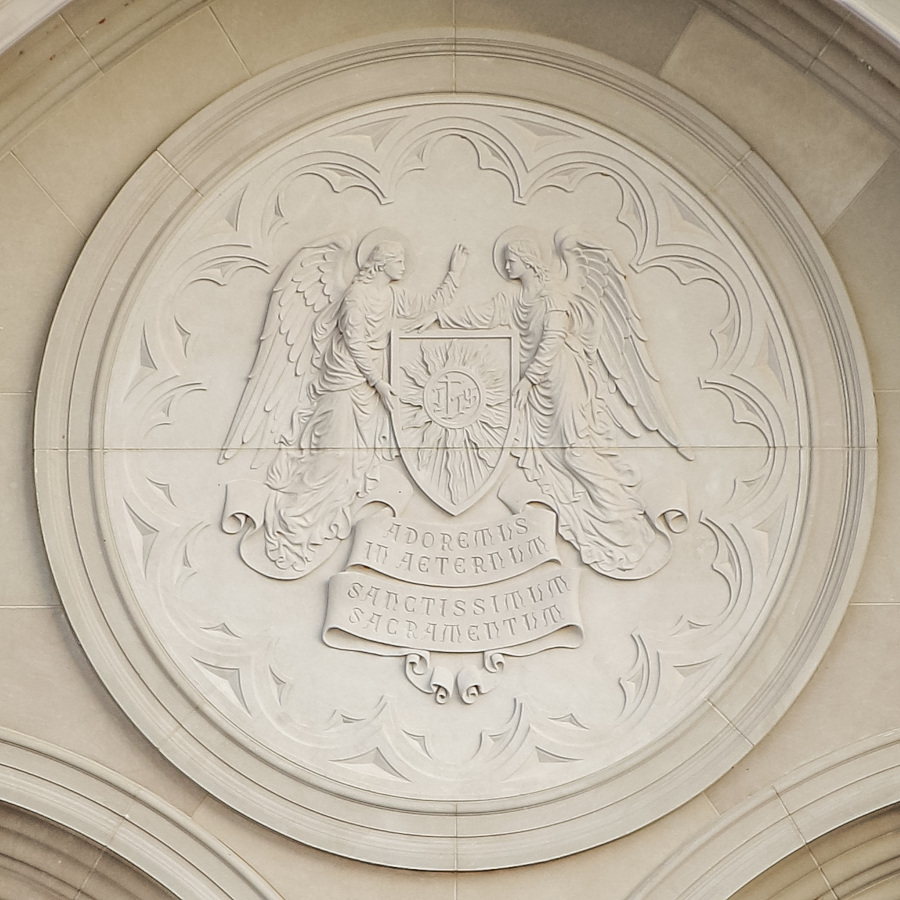
TAG also provided architectural consultation for the Shrine as well as designing the vaulting in the central and side nave aisle ways, the column capitals, the Piazza, the monument for the statue in the center of the Piazza, the Colonnade, and the facade of the Shrine. The facade includes Alpha and Omega emblems, portico entrances, and the central limestone rosette of adoring angels bearing the 'Adoremus In Aeternum Sanctissimum Sacramentum' shield. These words are the motto of the Poor Clares of Perpetual Adoration, and translate: 'Let Us Adore for All Eternity the Most Blessed Sacrament.'
 |
 |
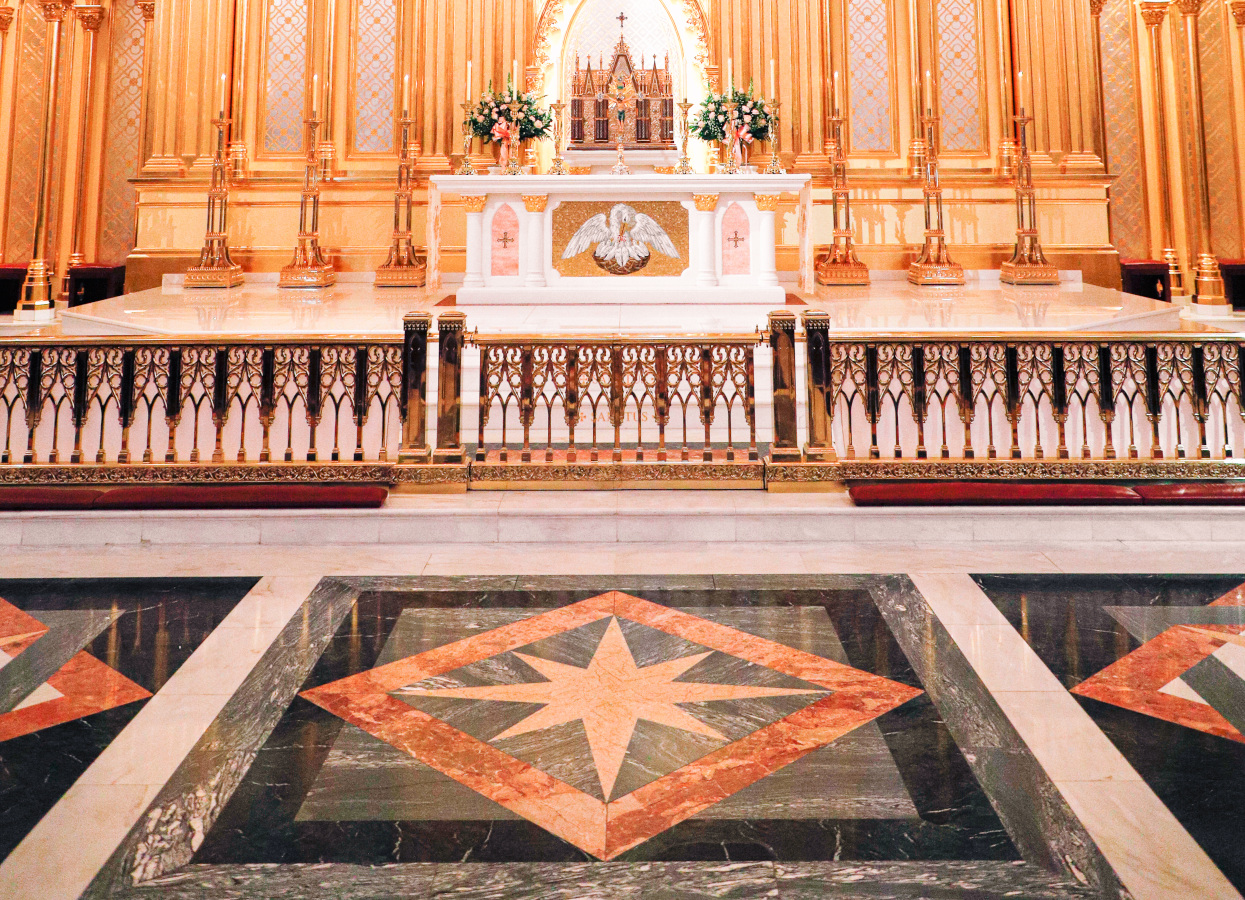
One of the most distinctive features of the Shrine is its marble paving, patterns, and accents. Marble was selected from the Carrara, Brescia, Aosta (Italian Alps), Verona, Lucca, Sicilia, and Pietrasanta regions of Italy, as well as from Macedonia, Valencia in Spain, Brazil, South Africa, and Finland. The marble throughout the Shrine was fabricated in Italy by the Savema company in conjunction with TAG and Masonry Arts, Inc. of Bessemer, Alabama. The pristine white marble of the Sanctuary rises from a field colorful geometric patterns on the floors, columns, bases, and wainscot. Savema has created a magnificent European-style Church interior that provides a perfect setting from the gilded appointments made by TAG in Spain. Particular care was taken to suitably adorn the floor in the Vestry, where the priest vests for the Holy Sacrifice of the Mass. The Vestry features a large octagonal design in the center of its marble floor.
The marble floor patterns in the nave of the Shrine include inlaid crosses of red jasper, a semi-precious stone from Turkey that demands great expertise in cutting and fitting. Jasper was one of the materials requested by God for the ornamentation of the original Temple in Jerusalem. Forming the long, delicate points of the star-shaped designs required such precision that the Savema artisans had to cut some of the marble with a water jet to prevent it from breaking off. Installation of all the marble and other stone in the Shrine was carefully and expertly accomplished by local Alabama craftsmen from Masonry Arts. The Altars, designed by TAG in Madrid, were fabricated in Italy with unparalleled skill by Savema, of Bianco Sivec marble from Macedonia. The capitals of the Altar pillars are of the same marble, hand-carved, and gold-leafed. The Altars are inlaid with mosaics of glass and gold, commissioned by Masonry Arts. The mosaics were created by artisans in Pietrasanta, Italy, using a 400 year old method of hand-chiseling and fitting.
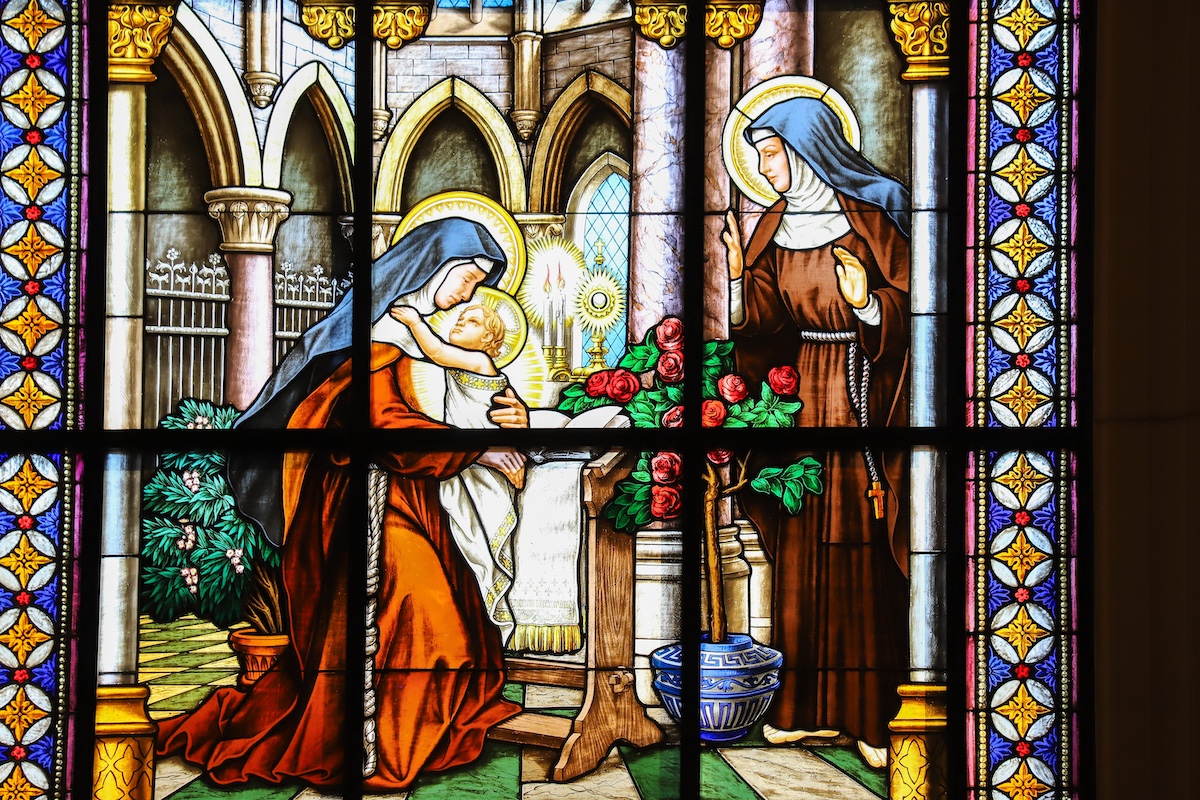
The stained-glass windows were made by the studios of Gustav van Treeck in Munich, Germany, where they were custom-drawn, painted, and fired with the traditional Munich-style methods used for centuries by the finest Bavarian glassmakers.
The exterior walls of the Shrine and Monastery are bricked with limestone composite bricks manufactured in Canada. The clay roof tiles of the Shrine and Monastery were molded and fired in Colombia. The 110-foot campanile houses a carillon of fourteen bells and a keyboard console. The bells are over one hundred years old.
The statue of the Divine Child Jesus in the Piazza was sculpted of statuary white marble from Carrara, Italy. His Heart is carved from red jasper. The statue is patterned after a small plaster statue produced by the cloistered Carmelite nuns of Madrid.
The English Tudor-style pavers of the border of the Piazza, Colonnade, and Esplanade, and the central herringbone pattern of the Piazza, were painstakingly laid under the direction of Masonry Arts by American and Brazilian craftsmen.
The Great Doors made of bronze are framed by limestone carbelled arches and columns, and are adorned with pictorial scenes of the Seven Joys and Seven Sorrows of the Blessed Virgin Mary. The transoms of the bronze minor doors to the North and South sides of the portico bear reliefs of Saint Francis and Saint Clare. Leading up to the portico are the steps and balustrades made of Giallo San Francisco granite from Brazil, inlaid with Verde Fontain from South Africa. The portico is ornamented with inlaid quatrefoils of Eagle Red granite from Finland.
Mother Angelica describes her own experience in building the Temple in the following words:
"It's unbelievable to me that, when our dear Lord asked for a Temple, and said that He would take care of those who helped us, I never in my wildest dreams thought it would be so beautiful. ... At every turn He would change it. It got bigger and bigger, and more and more beautiful. We were going to put just ordinary floor tile in the Church; He guided us to put in marble. In every possible way He intercepted some of our ideas, and we could see what He wanted. And so this is truly a Church that God has built — a real Temple, a place where people can come and find rest for their souls, renewal for their faith, and an opportunity to receive the grace and peace, the forgiveness and the mercy that only God can give."
Consecration
On December 19, 1999, the Temple was solemnly consecrated to God for divine worship. The Mass of Dedication was celebrated by the Most Reverend David E. Foley, Bishop of Birmingham. Music was provided by the Choir of Assumption Grotto Church (Detroit, Michigan), the Consecration Choir of the Shrine of the Most Blessed Sacrament, and members of the Alabama Symphony Orchestra. Reverend Eduard Perrone conducted these wonderful singers and musicians.
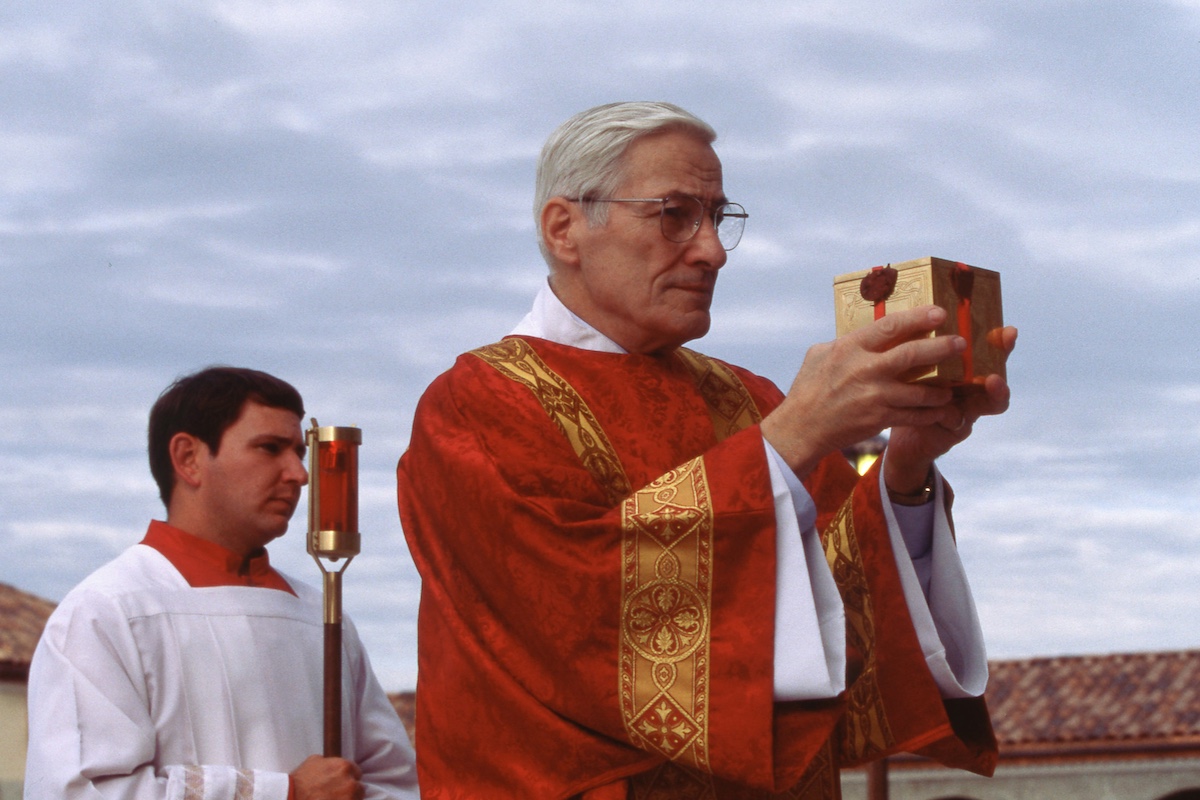
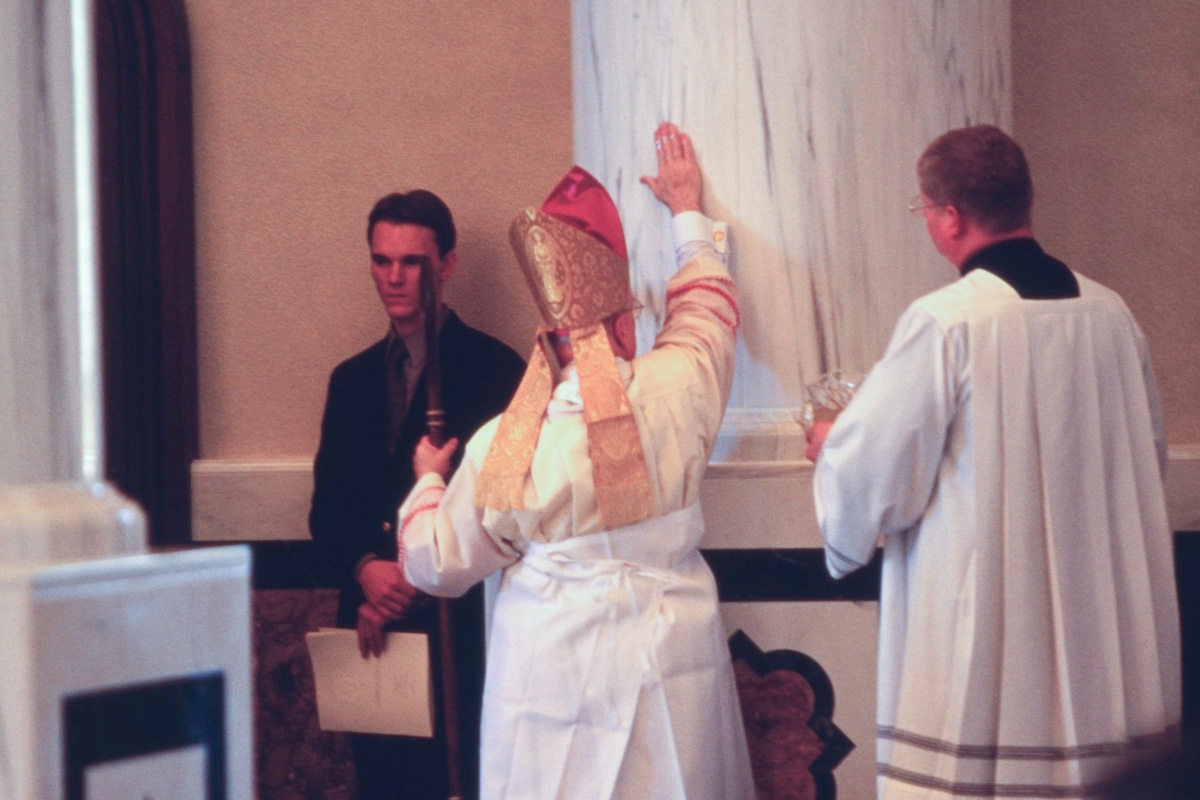
A relic of Saint Alexander of Trier was placed in the Main Altar. Saint Alexander was a German martyr; he and his companions were executed by the Trier Prefect, Rictiovarus in 305 A.D. After the deposition of the relic, the Bishop prayed the prayer of consecration. Here is a short excerpt from this beautiful prayer: "Father in Heaven, Source of holiness and true purpose, it is right that we praise and glorify Your Name. For today we come before You, to dedicate to Your lasting service this house of prayer, this temple of worship, this home in which we are nourished by Your Word and Your Sacraments. Lord, send forth Your Spirit from Heaven to make this Church an ever-holy place, and this Altar a ready table for the sacrifice of Christ."
At the conclusion of Mass, the Most Blessed Sacrament was placed in the Monstrance. As the shield was lowered to begin adoration of the Most Blessed Sacrament, the choir sang Handel's "Hallelujah Chorus." It was the beginning of perpetual adoration in this Temple of God and a moment of singular joy for all those present, but most of all for Mother M. Angelica and the nuns of Our Lady of the Angels Monastery. The consecration of the Temple marked the completion of many years of hard work and the fulfillment of the desire of the Child Jesus to "Build Me a Temple."
Additions
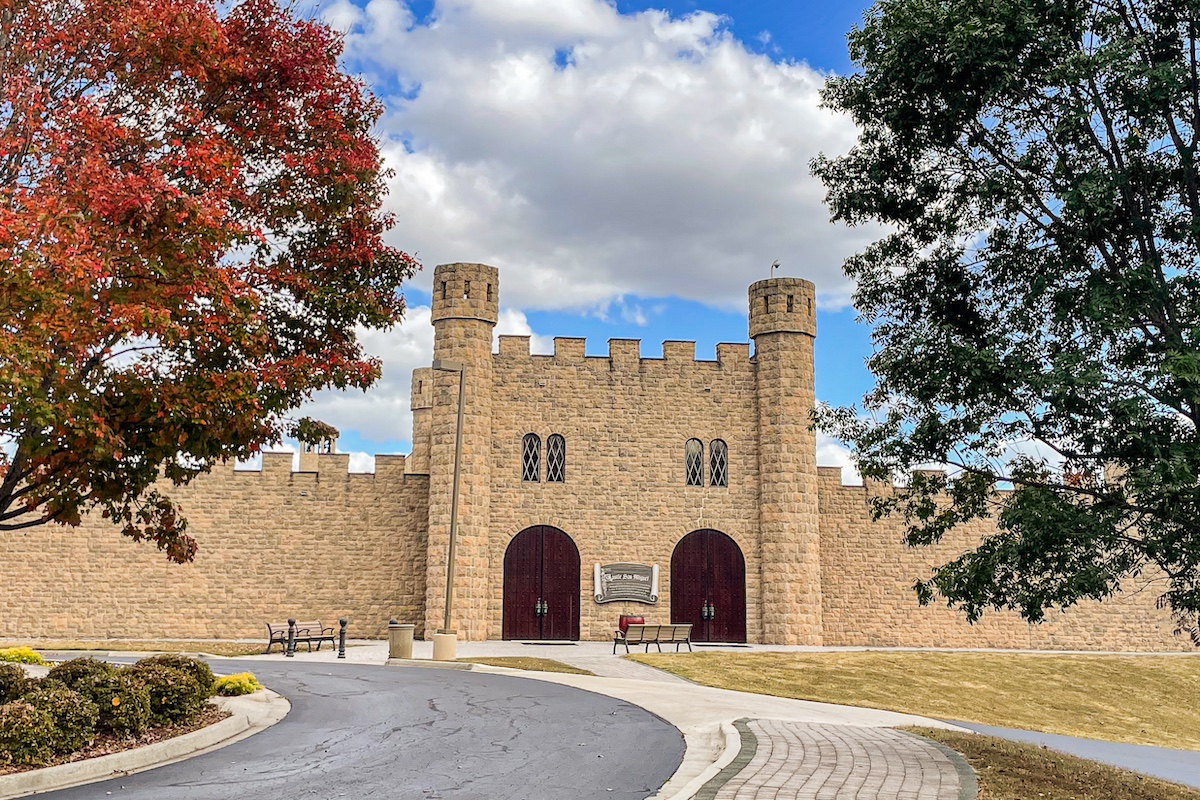
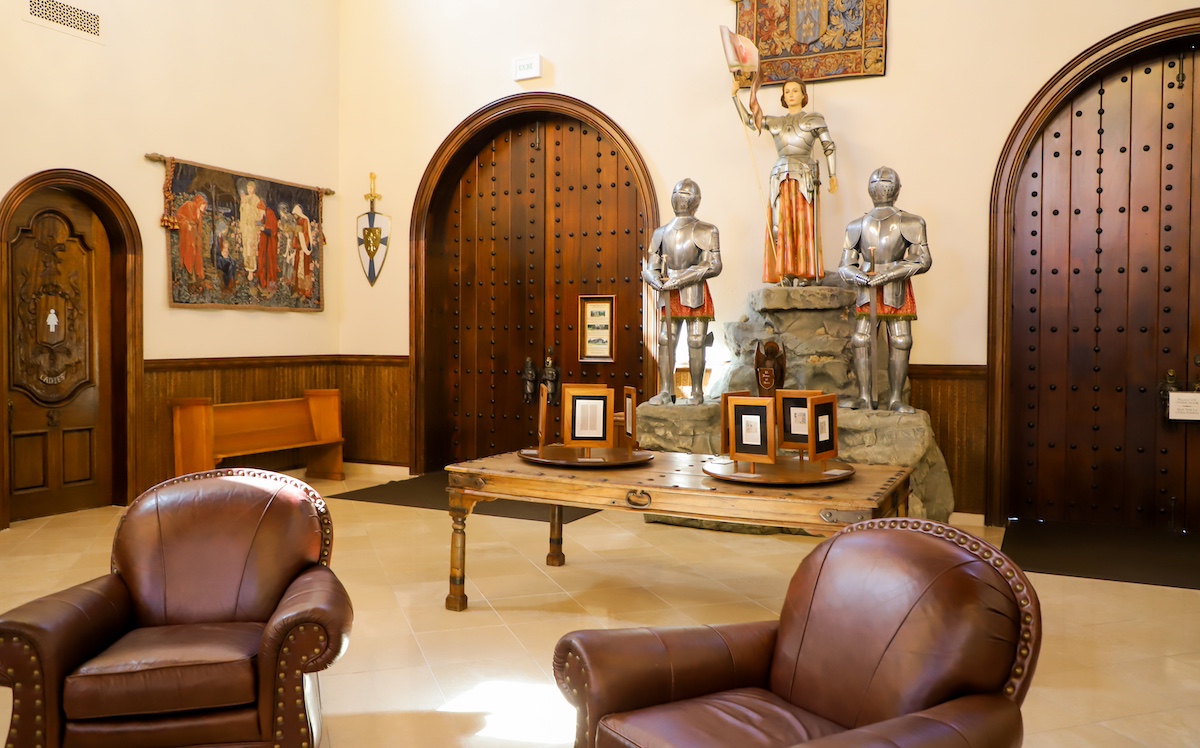
In early 2000, construction began on Castle San Miguel. The Castle houses the Gift Shop of El Niño, the Great Hall, the St. Gabriel conference center, the St. Raphael catered eating area, and several offices. The Castle was built to complement the architecture of the thirteenth century Temple. Castle San Miguel was blessed on September 29, 2001 — the Feast of the Archangels. This day was specially chosen by Mother Angelica in order to invoke the intercession of these mighty and valiant Archangels for all those who would visit the Castle. In addition to complementing the architecture of the Shrine, Castle San Miguel was also built to inspire all visitors to imitate the valor, chivalry, honor, and courage of both the Saints and the knights of old. In order to instill a spirit of courage in all, the Castle was adorned with many signs of chivalry and courage. The Great Hall houses statues of Saint Joan of Arc and Saint Michael, as well as tapestries and authentic medieval manuscripts. The entire atmosphere of Castle San Miguel serves as an inspiration to continue "fighting the good fight of the faith."
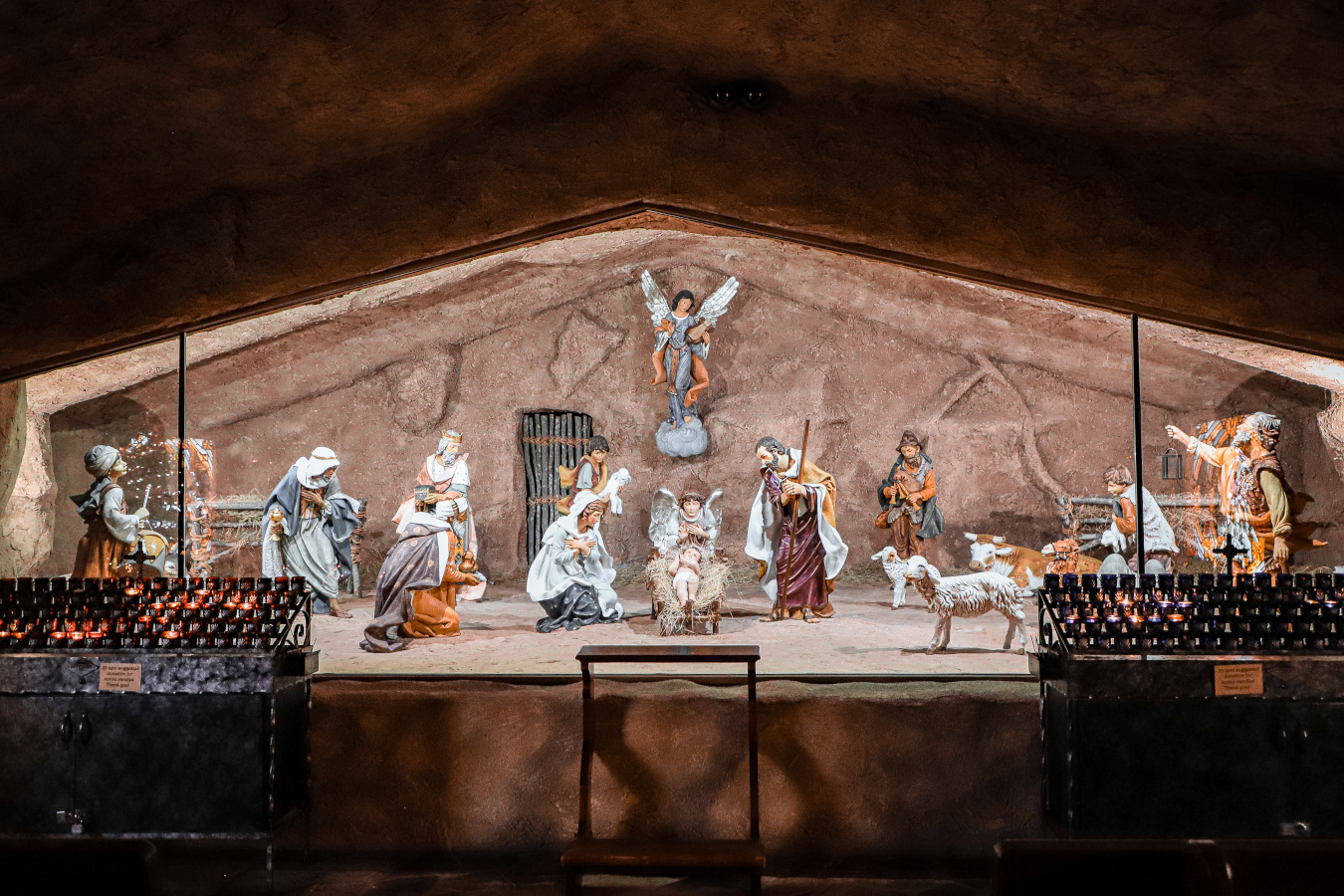
In early 2001, construction began on a small devotional chapel, located near Castle San Miguel. Housed in this chapel is a near life-size nativity scene. Designed to be a place of meditation on the mystery of Christmas, this little chapel is more than a simple nativity display. The Holy Cave or Creche is meant to help preserve the awe and wonder of Christmas throughout the entire year. In a unique way the Creche brings to mind the reality of what actually happened 2000 years ago: "The Word was made Flesh, He lived among us, and we saw His glory, the glory that is His as the only Son of the Father, full of grace and truth" (John 1:14). This little chapel is a year-round reminder of the Incarnation and the Birth of Our Lord Jesus Christ.
 |
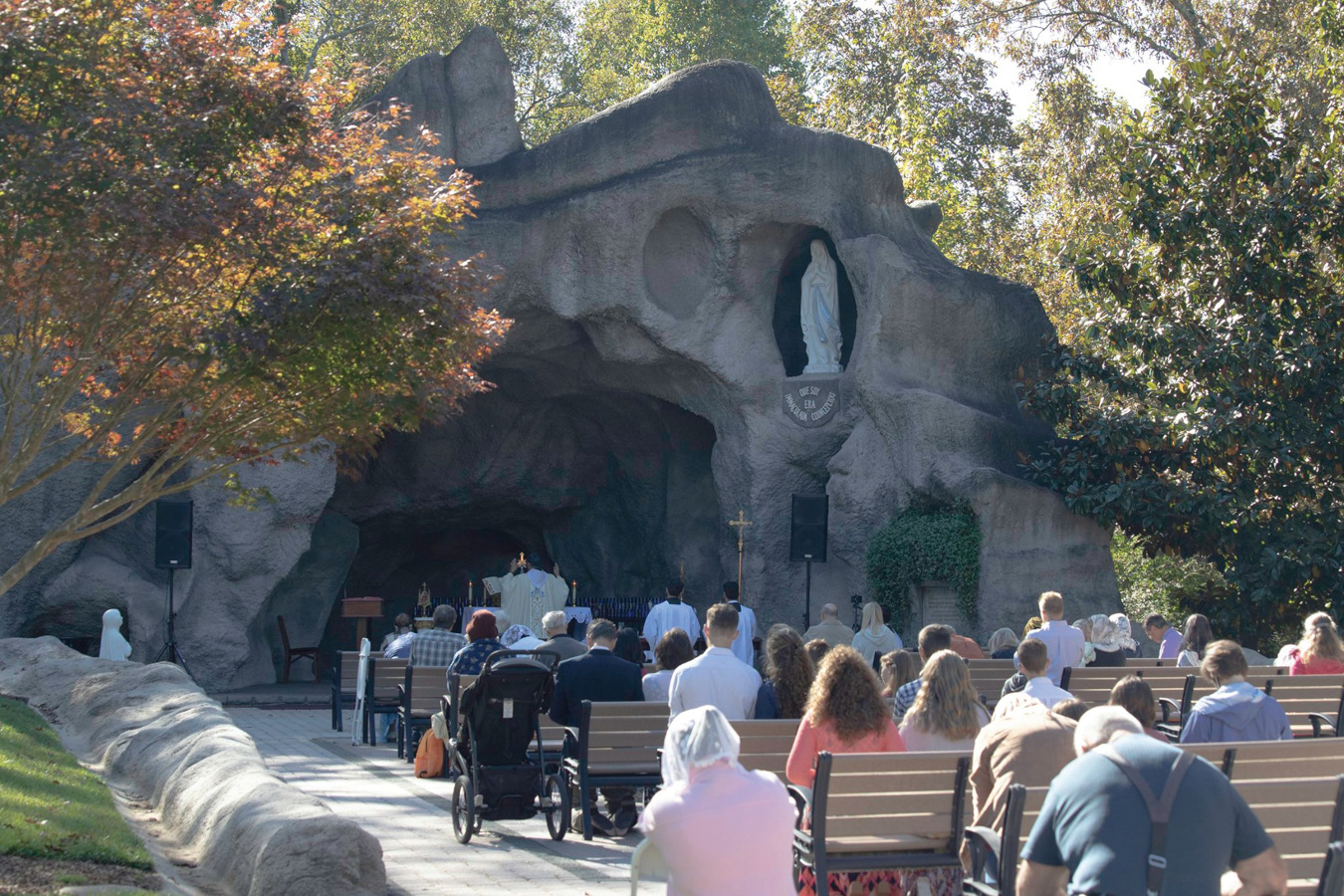 |
On October 7, 2007, Bishop Robert J. Baker solemnly blessed the Lourdes Grotto and consecrated the altar in the new alcove. The Grotto is a close artistic replica of the original site in France. Since the PCPA order has its beginning in France with a particular connection to Mary the Immaculate Conception, the nuns desired to provide a place where all could experience her motherly love. It was at Lourdes that Our Lady revealed herself as the Immaculate Conception. The Grotto houses a rock from the Grotto in Lourdes below the niche where the statue of Our Lady stands. A plenary indulgence is attached to a visit to the Grotto under the ordinary conditions on February 11th and the Feast of St. Mary Major.